
How Do You Know When Your Home Needs a New Paint Update?
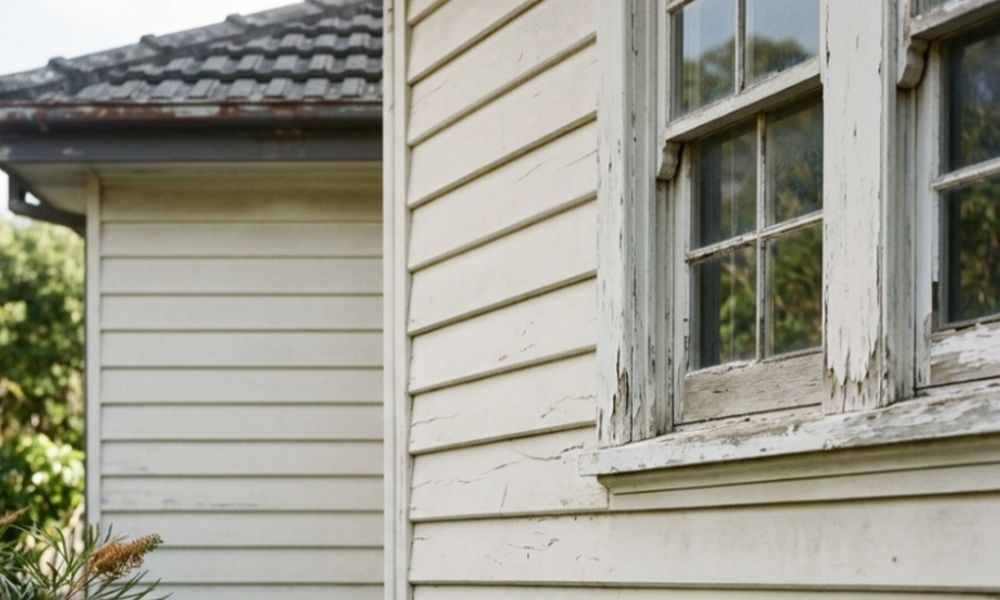
Sydney's sun, salt air and sudden rain bursts are tough on paintwork. Leave a coat too long and you will face peeling, timber rot and a home that looks tired long before its time. Wait just long enough, though, and you will stretch every dollar you spent on that last repaint. The trick is knowing where the tipping point sits for your walls, trim and outdoor features.
Subtle Surface Clues
Light cracking or "crazing" usually appears first. Tiny hairlines snake across the surface, especially along timber grain. Run a fingernail over the crack: if it catches, fresh paint is close to mandatory. This early warning sign often appears on the northern facade where the afternoon sun bakes hardest.
Next comes chalking. Rub your palm over painted weatherboards; if a fine powder transfers, UV exposure is breaking down the binder. Chalking dulls colour and leaves your walls vulnerable to moisture. Once you see it, plan a repaint within a season rather than a year.
Bubbling tells a different story. Moisture is trapped under the film, often thanks to gutter leaks or poor ventilation. Ignore bubbles and they will peel, exposing raw timber or render. At that stage the prep bill climbs quickly. It is easier to call in a professional earlier, our house painting specialists can assess whether sanding and spot-priming will salvage the work.
Telltale Signs Inside
Interior paintwork lasts longer than exterior walls, yet Sydney's humid summers can still push it past its limit.
Discolouration often collects near kitchens and bathrooms. Steam carries grease and surfactants that stain ceiling paint, turning white boards a sickly yellow. Mould flecks are another giveaway. If mild detergent will not shift them, the coating's antimicrobial additives have likely expired.
Look at the skirting boards next. Vacuum knocks, pets and toys chip low-lying timber first. When several rooms show scuffs deep enough to expose undercoat, a full interior refresh becomes more economical than constant touch-ups.
Finally, consider the feel under a damp cloth. A premium acrylic should wipe clean without leaving sheen disturbances. If you notice patchiness after light cleaning, the surface film has thinned past its useful life.
External Exposures in Sydney's Climate
Coastal suburbs from Coogee to Cronulla endure a double hit of salt spray and UV glare. Salt crystals work like sandpaper, abrading paint film so it fades faster. Homes west of Parramatta swap salt spray for longer heatwaves. Temperature swings open timber joints and let water creep behind boards.
Track south-facing eaves. They stay cooler and damp for longer, inviting mildew. Once black or green staining covers more than a third of the surface, repainting with a mould-resistant topcoat is safer than repeated bleach scrubs.
Rendered masonry needs a different test: tape pull. Press painter's tape firmly on the wall, rip it back and inspect the adhesive. If flakes the size of a fingernail come away, the bond between coats has failed. That usually sits around the 8 to 10 year mark in Sydney's conditions, sooner if the last job used budget paint.
Mid-life maintenance such as a gentle soft-wash can double the lifespan of sound paint. We explored wash-down techniques in our post on best exterior care between repaints, keeping grime off stops micro-cracks forming in the first place.
Timing the Next Refresh
Most quality water-based exterior systems last seven to ten years. Interior walls stretch closer to 12. Those numbers shrink if the previous painter skipped primer or used one-coat coverage over dark tints.
Season matters, too. Aim for the shoulder months, April to May or September to October, when humidity sits below 70 per cent and daytime peaks hover around 24 degrees. Paint cures evenly, and you avoid the summer rush that drives up lead times.
If you are preparing to sell, repainting high-impact areas like the entry door, front fence and living-room feature wall can lift perceived value without committing to a full-house job. Real-estate agents often cite fresh neutral walls as the quickest cosmetic upgrade before listing.
Budgeting is simpler once decision points are clear. Allocate roughly 80 per cent of repaint cost to labour and surface prep. Materials represent the remaining 20 per cent but drive longevity. Cutting five dollars per litre on paint may chop three years off the cycle, a false economy in Sydney's harsh sun.
When Expert Eyes Help
Some problems hide beneath the surface. Stains that reappear after every clean might come from rising damp or leaking flashing. Paint alone will not cure them. Moisture metres, thermal cameras and scaffold access let professionals trace the issue before colour goes on.
Independent resources such as the Australian Government's Your Home guide to paints outline VOC limits and environmental ratings. Cross-check any quote against those standards, it protects indoor air quality and reduces landfill down the track.
A quick site inspection often answers the repaint question decisively. Photos under natural light, a moisture reading in suspect timber and a tape-pull test on a shaded wall combine to give a yes-or-no verdict in under an hour. From there you can lock in colours, schedule around weather and enjoy walls that shrug off Sydney's extremes for the next decade.