
Interior vs Exterior Painting Costs in Sydney Right Now
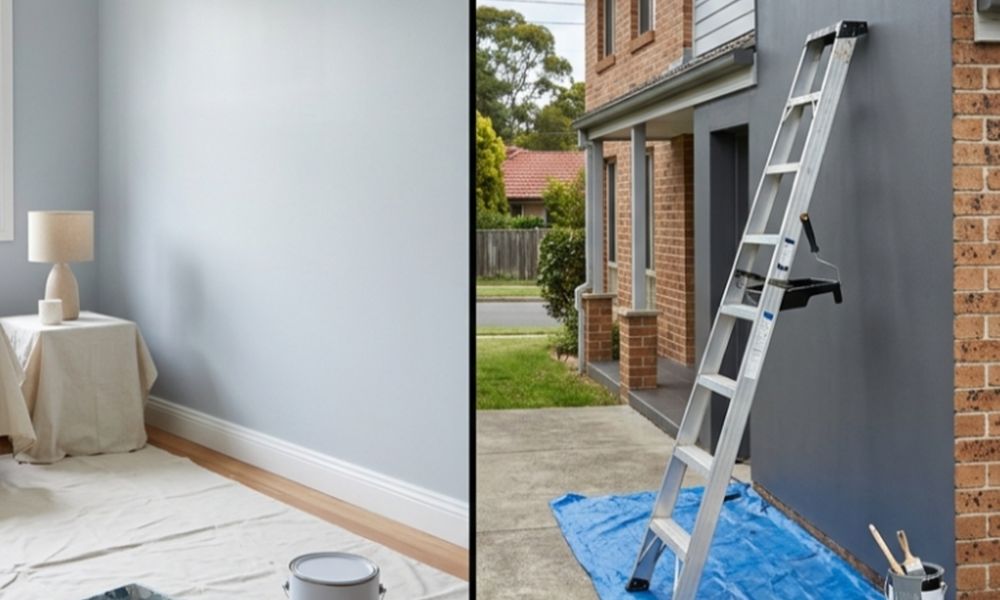
Cost basics
Painters rarely price by the square metre alone. They build a quote around surface prep, access, coatings, compliance and the time those steps absorb. Interior and exterior projects share the same broad workflow, yet each carries its own hurdles that swing the total by hundreds or even thousands of dollars.
The figures below are guides only; individual properties and painter skill levels still matter. Use them to sense-check the next quote that lands in your inbox, not to hammer a contractor into a one-size-fits-all rate. When you are comparing estimates, make sure every line item covers similar ground.
Early in the process many homeowners browse for a ballpark, then decide whether to invite a professional painting service for an on-site walk-through. That first visit is where real numbers crystallise.
Hidden interior factors
- Prep time, not wall area. A 120 m2 apartment with peeling previous coats can take longer than a 200 m2 new build that needs only a light sand. Spackling gaps, replacing damaged gyprock and spot-priming add labour hours fast.
- Occupied vs empty. Working around furniture slows progress. Crews must mask cupboards, shift couches and protect flooring. An occupied house can stretch a two-day job to three simply through stop-start logistics.
- Finish level. Low-sheen acrylic is the Sydney default for living zones, yet high-traffic corridors often need tougher enamels. Kitchens and bathrooms now favour moisture-resistant coatings that cost more per litre and demand longer cure times.
- Colour change. Light-over-dark usually requires an extra prime coat. If you are going from charcoal to crisp white, plan on at least one extra pass.
- Ventilation rules. NSW Workplace Safety guidelines cap solvent levels in enclosed areas. Where cross-breezes are limited, painters may specify low-VOC or water-borne coatings. These greener lines typically sit 10 to 15 per cent above standard retail pricing.
What bumps up exterior prices
Sydney's mix of coastal fog, pollution and summer storms puts exterior coatings under real stress. As a result, painters build more contingencies into outside work.
- Access equipment. Single-storey bungalows rarely need more than plank scaffolds. Two-storey terraces in Stanmore, steep-driveway homes in Seaforth or apartment balconies over 2.4 m from grade demand mobile scaffolds or boom lifts. Hiring that gear can add $400 to $1,200 per day.
- Substrate repairs. Timber fascia boards often hide rot beneath the existing paint film. Cement render may show hairline cracking once old coats are stripped. Carpenters or renderers are then brought in, and their day rates flow through to your bill.
- Lead removal. Pre-1970 cottages in Inner West streets sometimes reveal lead-based layers. SafeWork NSW requires containment sheeting, PPE and licensed disposal. The paperwork alone can add half a day.
- Weather delays. Forecasts matter. Autumn drizzle or summer humidity stalls curing. Crews factor predicted downtime into their quote because a half-finished elevation exposed to rain can ruin fresh film.
- Warranty expectations. Exterior jobs typically carry 5 to 7 year workmanship warranties. Painters hedge risk with premium elastomeric or self-cleaning paints, which sell at 30 to 50 per cent above standard exteriors.
Interior vs exterior: at a glance
| Driver | Interior impact | Exterior impact |
|---|---|---|
| Surface prep | Patch and sand walls | Strip flaky paint, treat rot |
| Access gear | Drop sheets, stepladders | Scaffolds, boom lifts |
| Paint cost per litre | $35 to $75 | $45 to $95 |
| Typical labour mix | 70 per cent labour, 30 per cent materials | 60 per cent labour, 40 per cent materials |
| Weather delays | Minimal (air-con control) | Frequent in humid months |
| Compliance extras | Low-VOC caps | Lead management, fall arrest |
2026 supply shifts
Two themes dominate this year's pricing chatter: pigment shortages and tighter sustainability regs.
- Titanium dioxide, the whitening agent in most acrylics, faced freight bottlenecks out of Malaysia through late 2025. Wholesale prices spiked 12 per cent and have eased only slightly.
- The NSW Government's Sustainable Buildings SEPP now encourages low-VOC limits in renovations above $50,000. While not mandatory for smaller repaints, many painters have pre-emptively switched lines to stay ahead of future rules. Expect premium ecolabel paints to feature in quotes more often.
Mid-tier brands are catching up, though. Dulux envirO2 and Taubmans Pure Performance have both widened colour ranges since January, trimming the price gap with standard lines.
Halfway through your research? Our article on the best time to book a painter unpacks how Sydney's microclimates affect start dates and can save you costly rescheduling.
Comparing real quotes
Never chase the cheapest figure in isolation. Line up three licensed contractors and lay their scopes side by side. Look for these inclusions:
- Number of coats and brand line specified
- Primer compatibility for glossy or stained substrates
- Fixed scaffolding or provisional sums for access gear
- Exact square metre allowance vs day-rate variations
- Waste removal and surface protection notes
If one painter leaves scaffold "as required" and another prices a two-week hire outright, apparent savings might vanish once the tower arrives.
Sydney homeowners often cross-check their contracts against the NSW Fair Trading renovation guidelines before signing. The guide spells out deposit limits, progress payment stages and dispute mediation paths, worth keeping handy.
Moving forward
Interior and exterior quotes diverge because each setting throws up distinct preparation, access and compliance pressures. Ask painters to break down those drivers rather than selling you a lump sum. With a transparent scope, you can trim costs sensibly, perhaps by clearing furniture yourself indoors or booking exterior work outside the wettest weeks, without short-changing the finish that protects your biggest asset.
By understanding what sits behind the number, you will feel confident sorting a fair price from a risky shortcut and move one step closer to a newly painted Sydney home that stands up to 2026's weather, fashion shifts and building rules.