
The Best Time to Book a Painting Service in 2026: How Sydney’s Shifting Weather Patterns Affect Drying Times
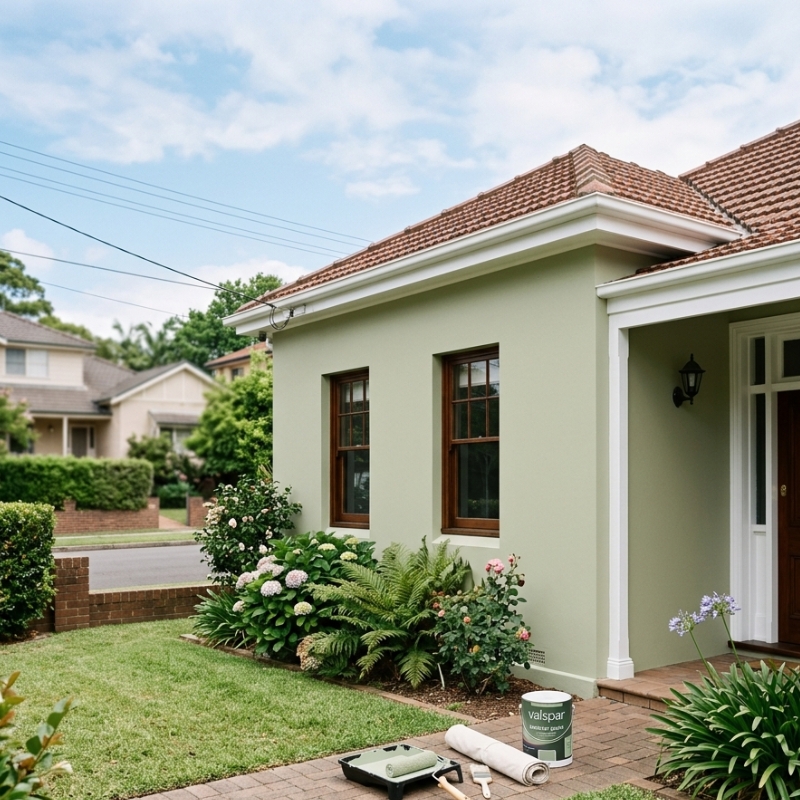
Sydney’s Weather Is Moving the Goalposts
Sydney homeowners have long worked to a rule of thumb: book the exterior in the mild weeks either side of Easter, or wait for late spring, and you’ll be fine. Here’s the awkward part. That rule was never especially well supported by the rainfall data, and it holds up even less now. March and April both average close to 130 mm of rain. Easter sits squarely in Sydney’s wet season, not outside it. Add hotter autumns and humidity that lingers deep into May, and a smooth, durable finish now takes more calendar savvy than it did a decade ago. Locking in a reputable painting service in Sydney means working from the numbers rather than the folklore.
Temperature, Humidity and Their Impact on Drying
Modern acrylics are forgiving. They still rely on evaporation, though, and that’s the whole game. High ambient moisture slows the process and leaves the surface tacky long after the painter has packed up. Go the other way, full sun and 35 °C, and the top layer skins over before the film has levelled, which traps solvent underneath and weakens adhesion.
Manufacturers publish their working ranges, typically around 10 °C to 30 °C, with relative humidity capped near 85 per cent. Sydney swings outside those brackets often enough. The readings a crew actually watches are these:
| Factor | What Happens If Ignored | How Pros Manage It |
| Humidity above 75 % | Slower cure, patchy sheen | Start later in the morning, run fans or dehumidifiers indoors |
| Surface temp above 32 °C | Brush marks, lap lines | Work the shaded elevation first, come back once the wall cools |
| Surface within 3 °C of the dew point | Moisture condenses onto the wall, causing blistering and poor adhesion | Measure the surface with an infrared thermometer, not the air. Wait for the gap to open up |
| Overnight below 10 °C | Film stays soft, attracts dust | Apply earlier coats only when forecast minimums allow |
That third row is the one homeowners have never heard of, and it’s the one that ruins jobs. The rule is not a magic dew point number. It’s the gap. ASTM D3276 and ISO 8502-4 both require the surface to sit at least 3 °C above the dew point through preparation, application and cure. Drift inside that margin and water condenses onto the wall while the paint is still wet. A crew watching these readings daily, rather than seasonally, hits the window far more often.
Seasonal Pros and Cons at a Glance
Sydney still offers workable painting windows. Each season just brings its own negotiation with the elements, and a couple of them are the opposite of what people expect.
| Season | Typical Conditions | Upside | Watch-outs |
| Summer (Dec to Feb) | Hot spells topping 35 °C, sudden storms. February is the most humid month of the year | Long daylight hours speed production | Midday shutdowns may be needed. High UV degrades uncured coatings |
| Early Autumn (Mar to Apr) | Warm days, but this is wet season. Both months average close to 130 mm | Stable, workable temperatures | The Easter shoulder is not the dry window people assume. Books are out months ahead, regardless |
| Late Autumn (May) | Humid mornings, cooler nights, around 120 mm of rain | Still dry enough for interior work | Dew can sit on walls until mid-morning, delaying starts |
| Winter (Jun to Aug) | June is Sydney’s wettest month, near 132 mm. July and August are far drier, and August has the lowest humidity of the year at about 49 % | August cures beautifully. Reliable conditions for interiors throughout | Short daylight limits exterior coats. July nights average around 8 °C, which is below most acrylic minimums |
| Spring (Sep to Nov) | Increasing winds, dry warmth. September is the driest month of the year, with around 68 mm | The best exterior run of the calendar | Gusts blow dust onto fresh paint. Pollen sticks to wet trim |
Read that table properly, and the conventional wisdom inverts. The genuinely dry stretch of the Sydney year runs from late winter into spring. August gives you the lowest humidity on the calendar, and September the least rain. Meanwhile, June, which everyone files under crisp winter mornings, is the wettest month we get. Your own suburb’s micro-climate still matters more than the season label, but that’s the shape of it.
Micro-Climates: Suburbs Are Not All Equal
Ocean-facing homes in Coogee take thick salt air most afternoons. Western Sydney runs several degrees hotter than the coast, so a Blacktown wall can still be too warm to work in the middle of a mild autumn day while a Bondi one is fine. Balmain’s heritage terraces hold afternoon warmth well into winter, which does help trim dry, though don’t seal the room up to keep the heat in. Warmth speeds the cure, and trapped moisture slows it, and if you shut every sash window at sunset, you get both. Leave a little air moving. Painters who log these patterns schedule primer and topcoat accordingly. If you’re trying to squeeze a job between renovations, our primer guide explains how sealing on the right day saves you a second undercoat.
Booking Windows and Lead Times for 2026
Supply constraints have eased since the pandemic. Skilled labour in Sydney has not. Lead times for reputable crews currently sit at:
- Exterior repaints: 8 to 12 weeks
- Interior full house: 4 to 6 weeks
- Touch-ups or single rooms: 2 to 4 weeks
The catch is that those numbers shrink or blow out with the weather. One wet fortnight pushes every subsequent booking back a week, and it cascades. The smart move for 2026 is to pencil in a slot about three months ahead and then stay relaxed about the precise start day. Painters routinely float small indoor projects into the gaps when the exteriors get rained off, so flag that bedroom or hallway refresh early. Being on the standby list is often the fastest way to get seen.
Practical Preparation Tips for Homeowners
- Track the moisture. A cheap digital hygrometer tells you whether overnight humidity is about to spike. If it sits above 75 per cent, expect your painter to delay or split the coats, and expect them to be right.
- Prune the foliage two weeks out. A shaded wall takes hours longer to dry and sits closer to the dew point for longer. A quick trim lets the winter sun actually reach the surface.
- Sort council permits early. Scaffold on a footpath needs approval, and inner-west lanes get harder again when spring street festivals block access.
- Only book indoor work in school holidays if you can vacate. Kids, wet skirting boards and fresh enamel have never once mixed well.
- Leave two fine days after the final coat before you install blinds or re-mount outdoor fixtures. The paint will feel dry long before it is cured, and a full cure can take a week.
Final Word on Timing
The best time to paint in Sydney is no longer a single sweet season, if it ever really was. It’s a moving target shaped by hotter autumns, salt-laden southerlies and the occasional La Niña soaking. The jobs that go well are the ones built on data rather than habit: the surface-to-dew-point gap, the suburb’s own micro-climate, and the Bureau of Meteorology climate data that shows you what a given month actually does rather than what you assume it does. Book your slot early, watch the forecast, and stay willing to shuffle by a day or two. Crisp lines, even colour, a finish that lasts. Worth the scheduling dance.