

Textured masonry, fragile plaster, moisture-prone bathrooms, and fussy trim lines are the wall types that push costs up because they demand slower prep, specialty primers, and extra coats. That’s the rub many people miss when estimating the cost of painting a house interior—surface behaviour drives labour and materials more than square metres do. For starters, rough or porous walls drink paint; older plaster can crumble under sanders; and high-reflectance finishes make every bump shout. You’ll also notice that stair voids and tall ceilings add to setup time, which compounds across rooms. With thoughtful planning, those risks can be managed without blowing the budget. This article maps the wall types that lift costs, flags hidden problems, and shows practical fixes and finish choices to keep quality high without chucking money away.
Why do some walls cost more to paint than others?
Some walls chew through time and paint because of absorption, texture, and tricky access. Others need specialised primers to stop stains or improve adhesion, which slows progress and adds tins to the tally. Here are the cost drivers:
- Textured masonry drinks paint: Rough brick, bagged render, or skimmed stone soaks primer and topcoats, demanding heavier nap rollers and more litres.
- Detailed trim slows production: extra cutting-in around cornices, picture rails, and shelving interrupts the flow and drags the job out.
- Movement-prone joints: Gyprock joins and door corners crack from vibration and temperature swings, so they need tape and flexible fillers.
- High ceilings and awkward spaces: Stair voids and raking ceilings mean ladder swaps and extra masking, which drop productivity.
- Sheen sensitivity: Gloss and semi-gloss reveal defects under raking light and can require re-levelling coats.
As a rule of thumb, matching primer to substrate guards coverage and adhesion. When standards matter and timelines are tight, reliable interior wall painters delivering flawless finishes set sequencing so each room flows without stop–start rework. In short, diagnose the surface, then choose the right system; you’ll save coin and headaches.
What hidden issues with old walls affect the cost of painting a house interior?
Older walls can look fine at a glance, yet hide surprises that smash schedules. Because materials age differently, a 1970s patch beside a 1930s plaster line can telegraph through topcoats unless prepped to the same level. Here are the hidden issues:
- Chalky plaster won’t hold a finish: Powdery lime or aged acrylic needs a binding primer before any filler or topcoat.
- Prior water damage: Moisture leaves salts and weak bonds; without alkali-resistant primers, blistering is on the cards.
- Stains and odours: Smoke, cooking vapours, and marker bleed through unless blocked with the right sealer.
- Lead and mystery coatings: Old enamels and unknown paints resist adhesion; safe deglossing and containment add time.
- Patchwork surfaces: Mixed substrates—gyprock over brick—flash with different porosity and sheen.
For real savings, fix causes before finishes. Shortcuts can look all right on day one, then peel by week six. To weigh trade-offs without skimping on durability, practical ways to lower Sydney house interior painting costs while planning room order, drying windows, and primer choices. Wrap up by testing suspect areas with a tape pull and moisture readings; prevention beats redo every day.
How can poor wall preparation double your interior painting cost?
Prep shapes coverage, adhesion, and sheen uniformity. If dust, defects, or glazing stay on the wall, paint won’t bond or will telegraph every ripple—then you’re paying twice. Here are the prep pitfalls and fixes:
- Right primer stops bleed-through: Use stain-blockers for smoke, tannin, or water marks; standard undercoats won’t cut it.
- Sanding without dust control: Fine dust wrecks adhesion; vacuum-extract sanders and tack wipes keep surfaces clean.
- Rushed patching: Shallow fills sink after drying; layer fills and sand between to keep surfaces flat.
- Glazed or glossy bases: Enamel walls need deglossing and an adhesion primer, or rollers will skid and lap.
- Skipped gapping: Open junctions around trim collect shadows and dirt; flexible caulk seals and sharpens lines.
Because poor prep multiplies coats, labour hours stack up faster than a footy scoreboard in a blowout. To nail sequence and tools, consider expert wall-preparation methods for longer-lasting paint, and build a checklist you follow, room by room. With a tidy workflow, the finish looks schmick and stays that way.
How to identify wall types that raise the cost of painting a house interior?
Spotting substrate early keeps budgeting honest. You don’t need lab gear—sound, touch, and edges tell the story if you know what to look for. Here are the quick identification tips:
- Knock test: Hollow thud hints at gyprock; dense knock points to old plaster or masonry.
- Scratch test: Fine powder suggests chalking; gritty dust means masonry or render.
- Edge clues: Remove a switch plate to see board layers, lath lines, or render thickness.
- Moisture check: Bathrooms and external walls often read higher; slow the schedule rather than forcing dry times.
- Light test: Side-light at night reveals ridges and taping errors you’ll otherwise miss.
Lower sheen hides surface ripples on wavy plaster, while semi-gloss in bright corridors can make minor defects shout. When compliance or tenancy rules apply, confirm colour and maintenance requirements in accordance with official NSW guidelines for interior wall painting. That way, you avoid doing the job twice because a committee knocks it back.
Quick reference: Wall type, why it costs more, and what helps:
| Wall type/finish | Why does it lift the cost | Typical impact* | What helps |
| Old lime plaster | Weak surface, micro-cracks, alkalinity | Medium–High | Binder primer, tape, flexible filler |
| Textured brick/bagged | High absorption, rough profile | High | High-build primer, heavier nap, extra coat |
| VJ boards/panelling | Grooves and edges slow cutting-in | Medium | Brush grooves first, then roll |
| Gloss enamel base | Adhesion risk, lap marks | Medium | Degloss, sand, and adhesion primer |
| Smoky or stained | Bleed-through and odour | Medium | Solvent stain-blocker, ventilation |
| Fresh set plaster | Moisture sensitivity | Medium | Alkali-resistant primer, patient cure |
Wrap up by photographing problem areas before you start; it helps scope, confirms progress, and keeps everyone on the same page—no dramas.
Which wall finishes are worth paying more for?
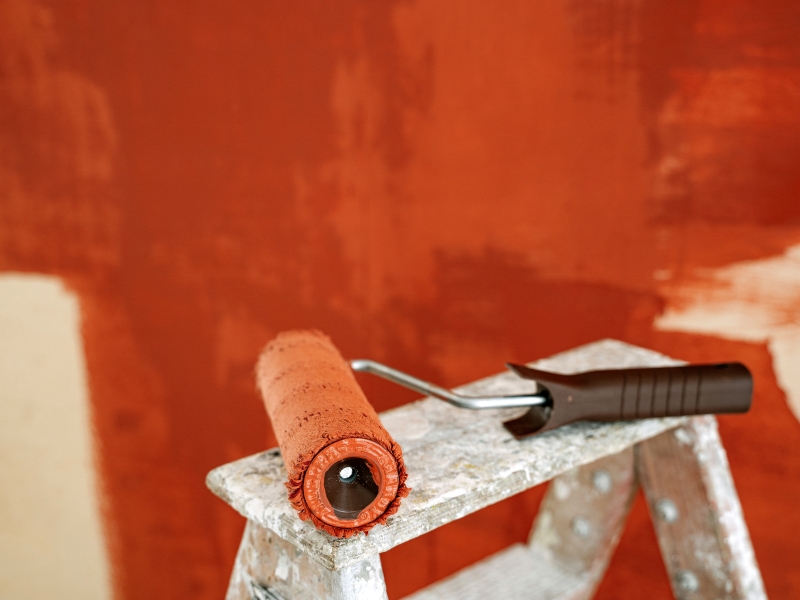
Spending smarter beats spending more. Pay a little extra where it boosts durability or hides defects; save where sheen or brand won’t change the outcome.
Here are the finishes and upgrades worth considering:
- Premium low-sheen resists scuffs: Busy hallways and kids’ rooms clean more easily and keep their look longer.
- High-build undercoats: Level minor texture so topcoats don’t telegraph defects in harsh light.
- Washable matt: Newer acrylic formulas balance wipeability with soft glare control for uneven substrates.
- Hard-wearing enamels: Doors and trim cop knocks; tougher enamels pay their way there, not necessarily on walls.
- Colour strategy: Mid-tones in high-traffic rooms mask marks better than bright whites that show every touch.
For areas coping daily abuse, choose spec-driven systems rather than bargain-bin tins. Lower sheen hides surface ripples in living areas flooded with light, while targeted enamel on trim takes the brunt of it. Don’t throw the kitchen sink at every wall—pick spots where performance matters and you’ll be laughing.
Final thoughts
Cost control starts with reading the wall, not the label. Diagnose moisture, chalking, and movement; then match primers, fillers, and sheens to the surface, not a one-size-fits-all promise. Aim for a steady workflow—mask once, roll clean lanes, and keep drying naturally. When a project needs a steady hand and a real plan, learn how Sydney Paintmasters ensures lasting interior wall perfection to align scope, standards, and timelines without kicking the job down the road.