

Choosing the right commercial building paint colours involves more than picking a shade that looks good—it’s about communicating your brand, enhancing your building’s appearance, and ensuring durability in Australia’s varied climate. In commercial settings, paint choices affect how clients perceive your business and how staff feel in the workspace. Colours can either attract attention for the right reasons or raise eyebrows for the wrong ones. This article explores how thoughtful colour selection can influence business success, industry image, and emotional response while guiding you through practical ways to avoid common mistakes.
What mistakes do businesses make when picking exterior paints?
Many businesses make critical errors when selecting exterior paint colours, often focusing on price or trends rather than long-term performance and brand fit. Here are the most common pitfalls that can lead to costly repaints or poor public perception:
- Choosing colours without testing them on the actual surface often leads to unpleasant surprises in natural light.
- Ignoring building style and architecture, causing a mismatch between modern colours and heritage structures.
- Selecting low-quality paints unsuited to exterior conditions increases the risk of fading, peeling, and frequent maintenance.
- Failing to consider neighbouring buildings, can create visual clashes or cause your building to disappear in a sea of sameness.
Many of these issues also contribute to performance problems. For instance, improper paint type can lead to cracking and premature ageing of the surface. That’s why it’s worth understanding the common reasons for paint cracking on outdoor walls.
Why do outdated commercial building paint colours affect the brand image?
Outdated paint colours can hurt your business image by making your premises appear neglected, old-fashioned, or irrelevant in today’s market. This disconnect between aesthetics and professionalism can affect trust and client engagement. Here are the ways old or poorly chosen colours impact your image:

- They signal a lack of attention to detail, which may reflect poorly on your services or operations.
- They reduce curb appeal, making it harder to attract foot traffic or tenants.
- They can send the wrong branding message, especially if colours no longer match your business identity.
- They contribute to a dated look, which can make newer competitors appear more appealing by contrast.
Outdated paint isn’t just cosmetic—it can drag down perceived value. To stay relevant, align your building’s colours with current industry standards and brand strategy.
How can poor colour choices affect client perception and staff mood?
Poor colour choices affect more than appearances—they influence how clients view your brand and how employees feel in the workplace. Colour psychology plays a major role in emotional response, productivity, and even decision-making. Here are the psychological impacts of bad commercial colour choices:
- Cold, harsh colours can make environments feel unwelcoming, which may discourage repeat visits or lengthy stays.
- Overly bright tones can overstimulate staff, reducing focus and increasing fatigue.
- Unbalanced palettes may create visual confusion, leading to sensory overload for both clients and employees.
- Lack of harmony in colour schemes can create a feeling of disorganisation, which undermines trust in your brand.
Poor colour choices don’t just impact aesthetics—they directly influence how people interact with your business. Whether it’s clients forming snap judgments or staff struggling to stay motivated, the wrong palette creates barriers. By understanding the emotional impact of colour and choosing schemes that align with your goals, you can shape a more positive and productive environment.
Which commercial building paint colours suit different industries best?
Each industry has unique expectations and emotional cues, and choosing colours that align with those can improve perception and trust. The right paint palette varies depending on what message you want to convey. Here are the colour types that suit key industries in Australia:
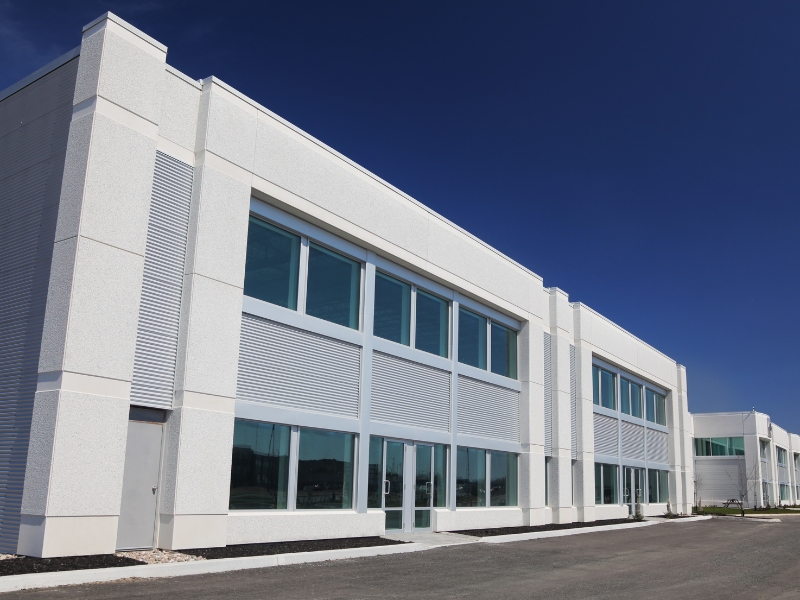
- Neutrals or off-whites for legal or consulting firms, supporting clarity, simplicity, and transparency.
- Blues and greys for corporate and finance sectors, suggesting reliability, calm, and professionalism.
- Greens and earth tones for wellness and health services, creating a sense of nature, healing, and calm.
- Bright reds, yellows, or oranges for hospitality and retail, which attract attention and stimulate energy.
These industry-aligned colour choices help reinforce the emotional tone clients expect. They also reduce the chance of colour fatigue or mismatch with the type of service offered. For those with sustainability in mind, choosing eco-friendly paints for commercial use can also support corporate responsibility goals.
What factors should you consider before choosing paint colours?
Before picking commercial building paint colours, consider a mix of technical, aesthetic, and functional elements to avoid costly mistakes and get the desired result. Here are the most important factors to evaluate:
- Sun exposure and weather patterns affect how colours fade or heat up over time.
- Building materials, as different surfaces (e.g. brick, concrete, timber) absorb paint differently and affect the final colour.
- Brand identity, ensuring your colour choices align with logos, uniforms, and business values.
- Council regulations or heritage restrictions, especially for buildings in regulated zones or historic areas.
One often overlooked consideration is surface preparation. Even the most premium paint won’t last without the right groundwork. If you’re planning a large-scale project, it’s worth exploring trusted commercial painting solutions to see how professionals can streamline the process and deliver lasting results.
| Factor | Light Colours | Dark Colours | Bright Colours |
| Uv resistance | High | Low to Moderate | Moderate |
| Heat absorption | Low | High | Moderate |
| Maintenance frequency | Low | High | Moderate |
| Fading rate | Slow | Fast | Fast |
| Perception | Clean, Professional | Bold, Formal | Energetic, Trendy |
How can professionals help you select the best commercial building paint colours?
Professional painters bring more than a brush—they bring insight, precision, and foresight. Their experience can help match colours to surfaces, lighting, and branding goals, avoiding costly redos. Here are the ways paint professionals add value during colour selection:
- They test sample colours under real lighting, giving you a better idea of final results.
- They assess building age and structure, which affects how well certain paints will adhere and last.
- They understand the technical properties of paints, like sheen, weather resistance, and finish.
- They offer palette options tailored to your industry and location, saving you hours of guesswork.
If the building is older or has heritage elements, it’s essential to follow safe preparation methods for repainting older commercial properties to avoid damaging the surface or compromising its structure. Professionals are trained to handle this type of work safely and in line with regulations. If you’re unsure where to begin, hiring experienced pros saves time, reduces waste, and ensures your project meets both aesthetic and functional needs.
Final thoughts on creating a lasting impression with the right palette
First impressions in business start with your building’s appearance—and colour plays a big part. Picking commercial building paint colours that suit your industry, climate, and brand helps create an inviting and professional space. If you’re looking to ensure high standards from prep to finish, it’s worth taking the time to understand how Sydney Paintmasters ensures quality in every project.